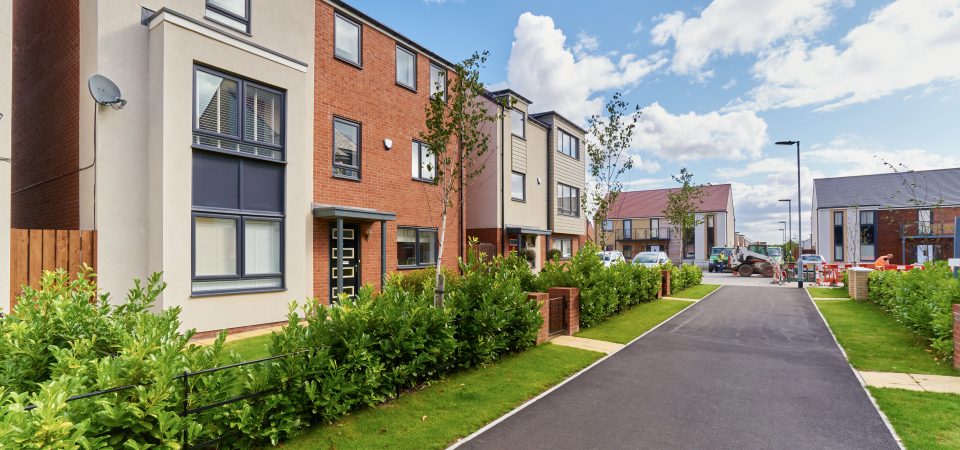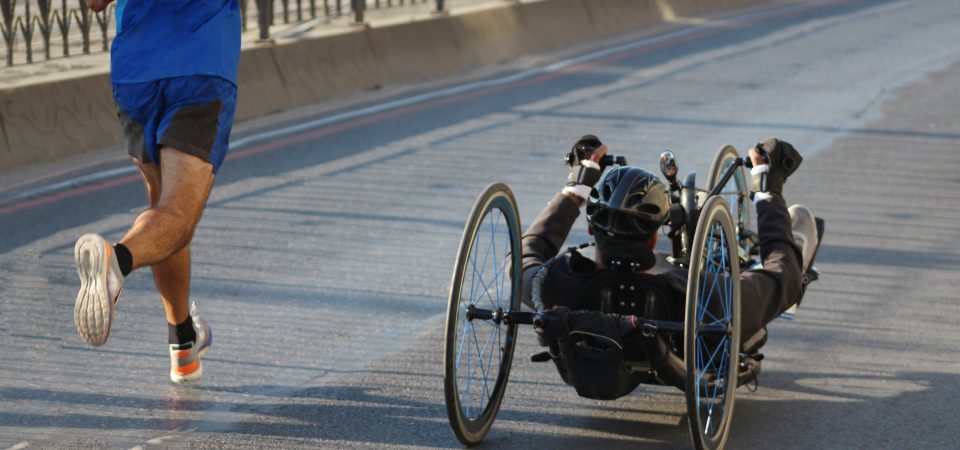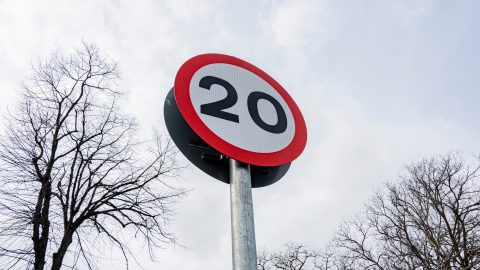
Two and a half years ago, Wales became the first UK nation to introduce a default 20mph speed limit on restricted roads. It was bold, brave, and yes – controversial.
But while the headlines raged and the petitions flew, the reality on the ground tells a different story. People are safer, streets feel calmer, and families are finding the confidence to walk and cycle in their communities. Far from slowing life down, 20mph is helping it thrive.
A decline in casualties
The July 2025 National Monitoring Report leaves little doubt about the impact:
- Average speeds are down by nearly 4mph.
- More than half of drivers now travel at or below 24mph (up from just one in five before the change).
- Casualties on 20mph and 30mph roads have dropped by more than a quarter – 630 fewer incidents in the first year.
- Overall casualties are down nearly 12%.
Welsh Government data also confirms 100 fewer people were killed or seriously injured in 2024 compared to the previous year – a 19% drop in collisions.
On the ground in Wales
For people living day to day with the new limit, the difference is tangible.
“The data speaks for itself – the 20mph scheme is clearly having a hugely positive impact on society by preventing and reducing casualties, and even saving people money through lower insurance premiums,” says Holly Mullen, PJA Principal Consultant based in Wales.
“My experience is also very positive. I recently started cycling with my two young sons on a cargo bike, and generally it feels safe cycling with them. Traffic speeds seem appropriate most of the time, and drivers are generally considerate. I don’t think I would have been as confident before the scheme went in. Most people I know think it’s been a great improvement, and I know others now considering cycling with kids who perhaps wouldn’t before.”
Debate and decisions
The policy hasn’t been without controversy, but concerns that 20mph limits significantly hinder everyday travel are not strongly supported by evidence. A GoSafe study shows the new limit adds an average of just two minutes to typical journeys.
Councils have always had the option to exempt main roads where the risk is lower, and some continue to use this discretion. But the vast majority of roads remain at 20mph because that’s where people live, walk, and cycle – and where the greatest safety benefits are being felt.
A glimpse of the future
Globally, cities are showing what’s possible. Last summer, Helsinki celebrated a full year without a single traffic fatality, thanks to a long-term “Vision Zero” strategy where lower speed limits go hand in hand with safer design, enforcement and planning.
Wales is on the same path: putting people first, creating safer streets, and proving that bold ideas really can save lives.
Lessons and next steps
More than two years on, Wales’s 20mph speed limit is delivering: slower speeds, fewer casualties, and safer streets. The next phase will be about building on these gains by:
- Continuing to monitor and evaluate impacts.
- Strengthening public engagement to show the benefits.
- Embedding complementary measures such as Active Travel and safer crossings.
This policy is not just about slower speeds – it is about creating safer, more liveable streets for all.
Find out more about our services here
Sign up for more news from PJA here