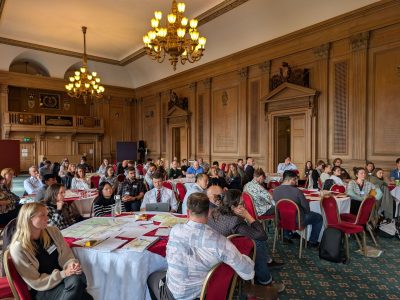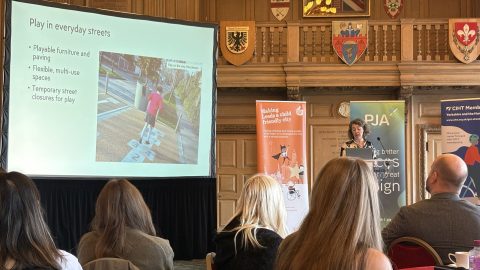
This week, more than 80 professionals from across the transport, planning and placemaking sectors came together at Leeds Civic Hall for the Yorkshire & the Humber CIHT EDI Conference 2025: Streets and Places for Children.
The day focused on a simple but powerful question: what would our streets look like if they were designed through the lens of a child?
Key themes and insights
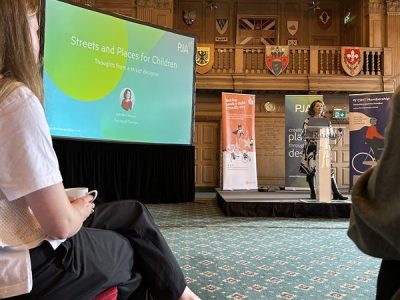
Speakers from Child Friendly Leeds, Leeds City Council, Active Travel England and PJA highlighted the need to embed children’s voices in the design process. It was clear that creating child-friendly places is not just about safety – it’s about freedom, play, and belonging.
Some of the lessons that stood out:
- Play is essential, not optional. Children need stimulating, safe opportunities for play close to home. “Play sufficiency” should be treated as a core principle in placemaking.
- Nature matters. Children consistently favour green, nature-based play spaces, which also improve health and wellbeing.
- Community and connection. Streets that support play on the way (safe routes to walk, wheel and cycle) can build independence and help children (and adults) feel more connected to their neighbours.
- Rethinking risk. Opportunities for adventurous, independent play are vital for building resilience and confidence. Overly risk-averse street design can limit these experiences.
Listening to children
The conference built on work carried out with over 500 Year 5 pupils across Leeds, who shared their experiences of travelling to and from school and their ideas for more child-friendly streets.
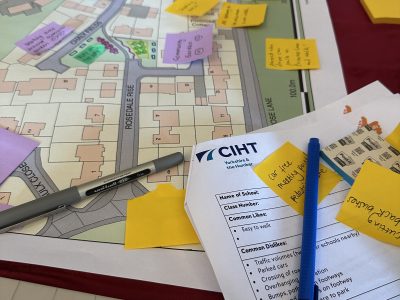
In the afternoon ‘Design Hackathon’, delegates worked in groups to translate these ideas into tangible street concepts, ranging from playful crossings and green corridors to safer, more engaging school streets. Importantly, the next step is to return these ideas to the children themselves, giving them the chance to ‘mark our work’.
Looking ahead
The energy and enthusiasm in the room underlined a clear appetite to do things differently. Child-friendly street design is about more than infrastructure, it’s about giving young people a voice, enabling independence, and reimagining how communities use space.
As one speaker put it: “Children live in families, families create communities, communities make cities.” If we truly want inclusive and thriving cities, then designing for children must be at the heart of the process.
Find out more about our services here
Sign up for more news from PJA here