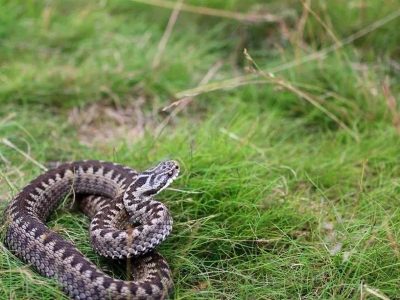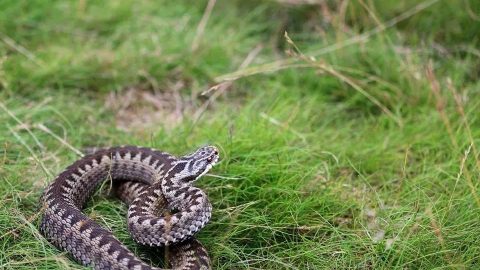
This Reptile Awareness Day, we’re shining a light on one of the UK’s most iconic yet misunderstood reptiles—the adder (Vipera berus). As the only native venomous snake in Britain, the adder plays a vital role in our ecosystems, but its future is increasingly uncertain.
A Species in Decline
Adder populations have been declining for decades due to habitat loss, fragmentation, human disturbance, and persecution. Small, isolated populations are particularly vulnerable, with some experts predicting local extinctions by 2032 if current trends continue. Despite being protected under the Wildlife and Countryside Act 1981, adders still face threats from poor land management, and fragmentation.
Amphibian and Reptile Conservation (ARC) Trust highlights that while adders are widespread across Britain, they are now rare in many regions, especially central England. Their secretive nature and camouflage make them hard to spot, but their presence is a sign of a healthy, functioning habitat.
Why Adders Matter
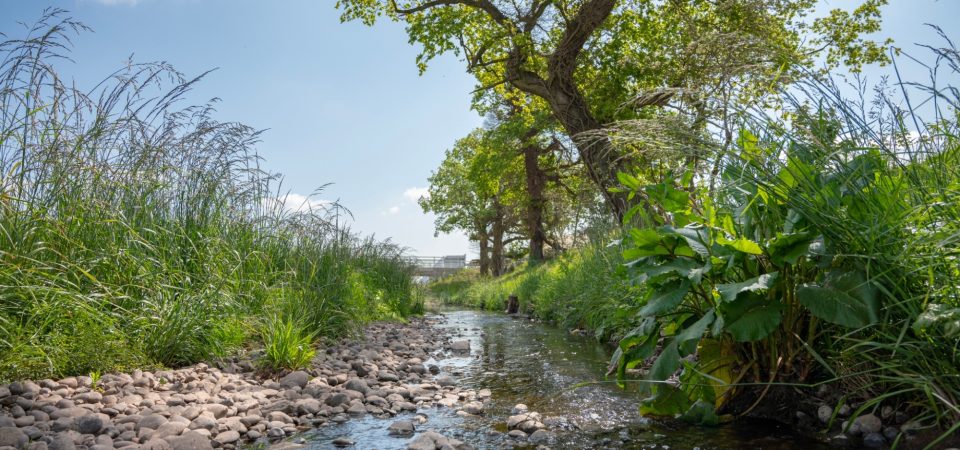
Adders are not just ecologically important—they’re culturally significant too. They help control rodent populations and contribute to biodiversity. Their decline signals broader environmental issues, including the degradation of heathlands, moorlands, and woodland edges—habitats that support a wide range of species.
Contrary to popular belief, adder bites are extremely rare and almost never fatal. Bites might occur when the snake is provoked or accidentally stepped on. Education and awareness are key to reducing fear and promoting coexistence.
Moving Beyond Translocation
Historically, development projects have relied on translocation—moving reptiles from one site to another—as a mitigation strategy. However, research shows that translocation often fails to support long-term conservation. Populations may struggle to establish due to unsuitable habitat or genetic bottlenecks.
Conservation efforts should focus on improving habitat quality and connectivity, especially in areas where adders still persist.
Conservation in Action
Key conservation strategies include:
- Habitat connectivity: Linking fragmented habitats to allow safe movement and breeding.
- Hibernation site protection: Identifying and safeguarding overwintering areas.
- Public education: Dispelling myths and promoting respectful coexistence.
- Citizen science: Encouraging reptile recording through education and public engagement and involvement
A Shared Responsibility
Adder conservation is not just the responsibility of ecologists—it’s a shared goal for land managers, planners, and the public. By designing landscapes that support reptiles and other wildlife, we can create spaces that are richer, more resilient, and better for everyone.
This Reptile Awareness Day, let’s celebrate the adder not as a threat, but as a symbol of our natural heritage—and a reminder of the urgent need to protect it.
Find out more about our services here
Sign up for more news from PJA here