In the race to cut carbon, the conversation often gravitates towards big moves: fleet electrification, flagship cycling schemes, low-carbon materials. These are important, but they’re not where most carbon is actually locked in.
For civil engineers, the most influential carbon decisions are often the smallest and least visible, made quietly at concept stage and treated as routine. Junction radii, kerb types, sub-base depths, parking ratios, earthworks profiles and drainage approaches may seem insignificant individually, but together they define a scheme’s carbon trajectory for decades.
This is why the difference between high and low-carbon design isn’t just about process – it’s about culture. Organisations that take a fundamentally different design approach, such as PJA, consistently deliver carbon-efficient, people-centred outcomes because of how they think, not just what they specify.
Small Decisions, Big Carbon Impacts
Civil engineering design is full of inherited defaults that rarely appear in carbon strategies but shape every project. These are not technological issues. They are matters of engineering judgement:
Over-specification
Over-specification is often hidden in geometry. Designers default to wider lanes, larger junction radii, excessive visibility and oversized roundabouts. Each choice increases surface area, pavement depth, lighting, and earthworks, yet many can be reduced without compromising safety when design speed and context are properly considered.
Similarly, pavement and sub-base thicknesses are frequently increased “just to be safe.” Small additions – millimetres at a time – quickly scale into significant volumes of aggregate, asphalt, transport movements and embodied carbon. Small reductions compound significantly across large schemes.
Questioning whether a junction needs to be signalised at all can avoid significant amounts of steel, ducting and long-term maintenance emissions.
Right-sizing infrastructure
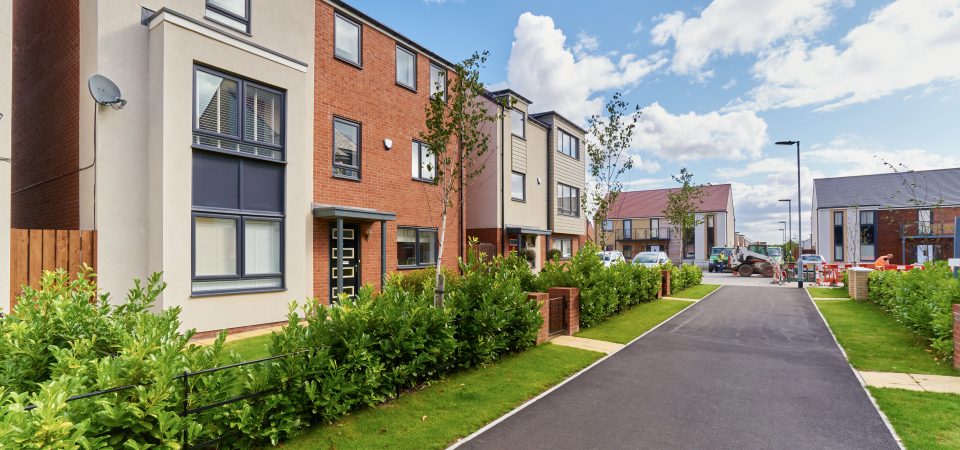
High parking numbers lead to larger impermeable areas, more drainage systems , more excavation and long-term carbon-heavy car dependency. When parking is right-sized to the context, carbon drops instantly.
Tightening junction radii by even one or two metres reduces asphalt, drainage extent, excavation and design speeds, with knock-on operational benefits. Challenging lane widths and designing to the context shrinks the overall footprint and reduces material use and lighting demand.
Early considerations
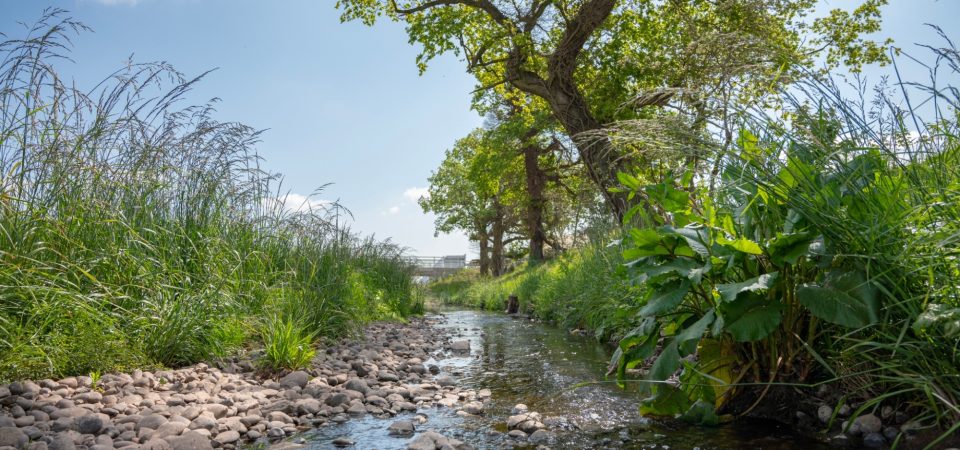
Drainage design often defaults to piped systems, carrying high embodied carbon in concrete and PVC. By contrast, implementing SuDS can reduce materials, excavation, and maintenance while improving biodiversity – but only if space is planned for them early.
Even earthworks are frequently left too late. Designing vertical alignments to follow the landform can eliminate large volumes of cut and fill, along with the need for retaining structures and material transport. Minor alignment changes can be made at concept stage, but once geometry is fixed, the opportunity is lost.
Early engagement with manufacturers can also unlock lower-carbon materials and alternatives, avoiding decisions driven purely by habit.
Why Culture Matters More Than Process
The hidden carbon cost of “business as usual” isn’t caused by a lack of standards or tools – it’s caused by a lack of attention to the unobvious decisions that quietly shape a project’s footprint. Whilst processes and checklists can encourage early carbon thinking, they cannot replace a culture that empowers designers to challenge norms
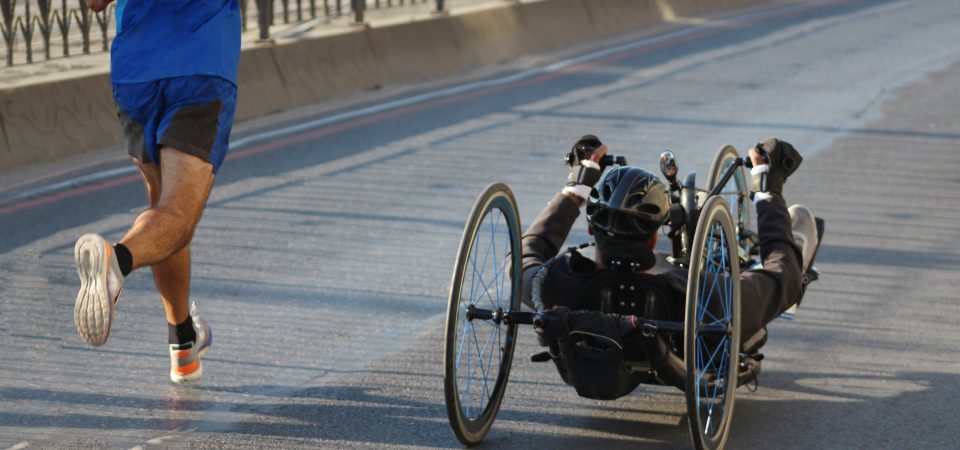
By putting active travel at the centre of design, PJA have created a culture where:
- Standards are interrogated, not blindly applied
- Junctions start compact and grow only if justified
- Land is allocated to people first, vehicles second
- Carriageway space is treated as finite and expensive
- Designers feel confident explaining why a smaller, simpler layout is better
True carbon leadership is not loud, it’s meticulous. And it’s found in the thousands of small decisions that only skilled civil engineers know how to make. This culture doesn’t just support low-carbon design – it makes it unavoidable.
Find out more about our services here
Sign up for more news from PJA here