Soils can easily be taken for granted but are a vital resource to enable the production of food and produce, and are essential to the construction of the structures we live and work in. Soil is also crucial to the storage of the world’s carbon and plays an essential role in reducing the risk of flooding.
We interact with soils during the development of land, whether it be the clearance of existing vegetation and topsoil or the introduction of new landscaping, excavation, stockpiling or reengineering of soils and building foundations on it.
Soil is a finite and valuable resource. It can take hundreds of years to naturally produce a few centimetres of soil and it is under ever increasing stress from the demands of a growing population as well as the numerous challenges posed by climate change.
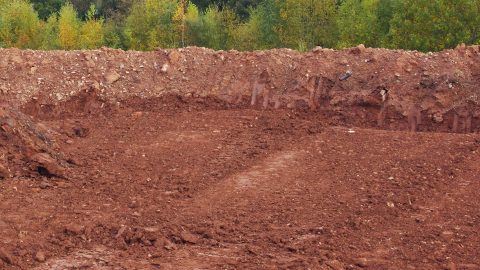
The development of sites inevitably involves disturbance of in-situ soils, whether this be stripping back topsoil, forming foundation and service excavations, reprofiling site levels and/or remediating contaminated soils. In addition to the generation of surplus soils, poor management and storage of soils can result in a detrimental impact on soil health and quality and their removal from the chain of utility. Good soil health is essential to ensure that it can function as a vital living system to sustain plant and animal productivity and health and maintain or enhance water and air quality†.
It is vital that soils are better managed to ensure that this resource is used in a sustainable way and that we play our part in reducing the ever-increasing demands on it. In addition to existing guidance, new guidance is under preparation to try and assist the construction industry to make further improvements for the future.
A Construction Code of Practice for the Sustainable Use of Soils on Construction Sites by Defra in 2011 highlighted the following good practice measures relating to the management of soils on site:
- Prepare a Soil Resource Plan showing the areas and type of topsoil and subsoil to be stripped, haul routes, the methods to be used, and the location, type and management of each soil stockpile.
- When stripping, stockpiling or placing soil, do so in the driest condition possible and use tracked equipment where possible to reduce compaction.
- Confine traffic movement to designated routes.
- Keep soil storage periods as short as possible.
- Clearly define stockpiles of different soil materials.
In addition to good practice and better management of soils on site, it is important that any excess soils generated as part of the development are prevented from falling out of the chain of utility, for example being disposed to landfill. A report by the Environment Agency (EA) from 2019 reported that 28 million tonnes of soil were received at landfill in 2016, which equated to 55% of the waste received. Disincentives via the tax system will continue and the adverse economics of disposal will push operators towards collaboration and re-use. As an example increased use of energy from waste, recycling and composting have helped reduce landfill tax receipts by 9.4% in 2018/19, according to the latest date from HMRC, but pressure on remaining sources of landfill input will continue to rise.
Surplus soils are classified as waste under waste legislation which has often been problematic when assessing options for re-use. Waste exemptions permit specific operations relating to the waste materials without the need to obtain an Environmental Permit. The U1 waste exemption allows the use of certain construction wastes including uncontaminated ‘soils and stones’ in construction projects up to a limit of 1,000 tonnes. For volumes greater than this the CL:AIRE Definition of Waste: Code of Practice (DoWCoP) permits the re-use of materials on the site or origin as well as direct transfer of clean naturally-occurring soils from one development site to another, as a ‘non-waste’.
The DoWCoP requires the preparation of a Materials Management Plan (MMP) which helps promote the re-use of materials by demonstrating that they are needed (certainty of use) to enable the development as permitted and are suitable for re-use in terms of their geotechnical and geoenvironmental characteristics. In addition the CL:AIRE Register of Materials, has helped to facilitate better re-use of materials between organisations and the guidance continues to be updated and improved with each version.
PJA work with their clients to advise on the implementation of better management practices to promote the practicable and sustainable re-use of soil. We look forward to the publication of further focussed documentation from CIRIA who are working with the industry to promote the effective management of our valuable soil resources.
Find out more about our ground engineering and contaminated land services here or contact: [email protected]
Sign up for more news from PJA here
† Doran, 1996