We pride ourselves on making great places for people and have, over many years, provided support to the UK and devolved governments on how best to create safe and attractive infrastructure.
We have produced documents such as guidance on producing Local Cycling and Walking Infrastructure Plans, the Wales Active Travel Design Guidance and Local Transport Note 1/20 – Cycle Infrastructure Design which was commended in the Transport Planning category of the CIHT Awards 2021.
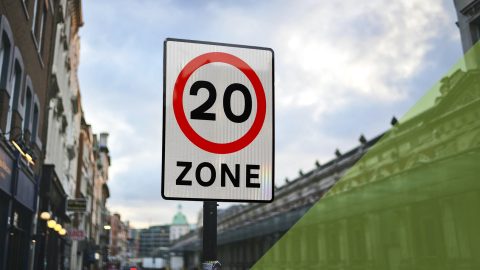
Additionally, the work PJA have carried out with Welsh Government to set the agenda for default 20mph speed limits in urban areas will help create a safer road network and PJA have been applying these principles in places such as Faversham in Kent, where a town-wide 20mph limit was introduced, which led to a change in the County’s speed limit policy to enable more places to make the change.
Our chairman, Phil Jones, was instrumental in guiding the ‘Hierarchy of Road Users’ change to the highway code. The change will outline how responsibility rests with the road users who could potentially cause the most harm to others. For example, car drivers will be responsible for ensuring cyclists are safe, while cyclists will be responsible for looking out for pedestrians.
Phil said: “The new Highway Code won’t be a magic bullet, and as we set out in Turning the Corner, more changes are needed. But it does represent a significant change in the way in which our roads should be used, and that can only make it safer and more pleasant to walk and cycle.”
Stopping vehicles from using quiet roads as shortcuts whilst increasing space for more walking and cycling through Low Traffic Neighbourhoods (LTNs) are an increasingly popular. LTNs
Where traffic flows are high, some areas see a significant number of casualties, particularly involving cyclists and pedestrians. Increased traffic markings, signs and barriers are often put in place in an attempt to address the safety problems but generally this isn’t always successful and can lead to a worsening of the local environment and a marginalisation of pedestrians and cyclists.
Instead we look at creating more efficient space for buses and car drivers, reallocating road space to pedestrians and cyclists and providing appropriate places to cross which all go someway in creating a safer road. We introduce Low Traffic Neighbourhoods, stopping vehicles from using quiet roads as shortcuts whilst increasing space for more walking and cycling. This creates pleasant places to live whilst also creating safer conditions in our streets.
Our Kingsheath LTN project was featured on the BBC’s The One Show which showed the role they can play in making streets healthier and safer.
Safer roads aren’t only about increased enforcement, nor is it purely about the safety of drivers who make up only a part of those on the road. By slowing speeds, changing the emphasis on which road user bears the greatest responsibility and offering safer infrastructure for cyclists and walkers will all go some way in assisting to make a safer road network for all.
As transport planners, engineers and placemakers we’re proud to play a part in creating a safer road network designed with all users in mind.
Read more on our services here
Sign up for more news from PJA here