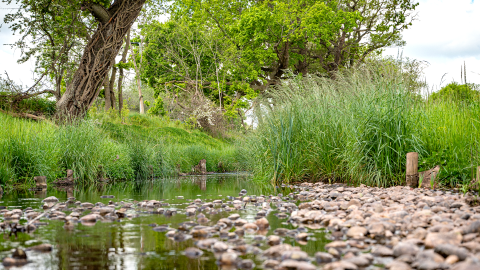
This World Environment Day, Longbridge stands as a powerful symbol of regeneration – not just of land and economy, but of nature itself. Once home to the largest car factory in Europe, the West Longbridge site has undergone a remarkable transformation from industrial powerhouse to a green urban haven, setting a new benchmark for sustainable regeneration.
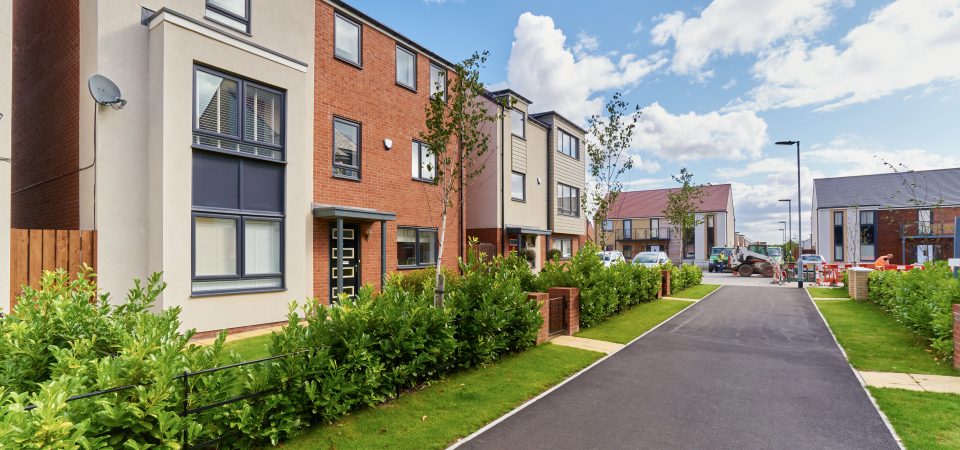
The site, formerly occupied by the MG Rover ‘West Works’, lay dormant for years following the factory’s closure in 2005, a loss that left deep economic and emotional scars across the West Midlands. But today, thanks to the vision of St. Modwen and the expertise of collaborators like PJA, Longbridge is being reimagined as a vibrant, sustainable mixed-use community, one where biodiversity, water, and wellbeing are placed at the heart of urban development.
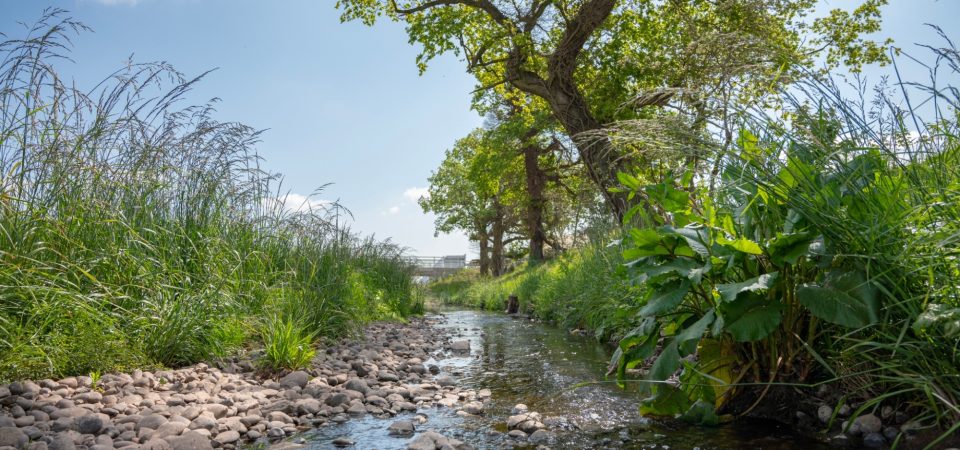
Central to this transformation is the re-naturalisation of the River Rea. Previously hidden beneath concrete, a one-mile stretch of this important waterway has been uncovered and revitalised for the first time in nearly a century, creating a lush green corridor that supports wildlife and connects communities.
The formerly culverted section not only restores the river’s ecological function but repositions water as a vital asset in modern placemaking. This project carefully restored the natural process of the river system, turning the River Rea and the Callow Brook into a beautiful and vibrant green corridor that connects communities, provides habitats for wildlife such as water voles and otters, improves water quality, increases biodiversity, and alleviates flooding for Longbridge Town Centre.
This regenerated watercourse is more than an ecological asset – it’s a social and environmental triumph. Lined with new cycle paths and walkways, the river now connects Rubery with Longbridge Town Centre, offering a seamless green link that promotes active travel and enhances access to public transport. These enhancements encourage walking and cycling, improving both physical and mental health for residents and visitors alike.
Surrounding the river, a riverside park has also taken shape, complete with play areas, outdoor gym equipment, natural trails, and even a public orchard. It’s a deliberate move to create a space that promotes community, wellbeing, and engagement with the natural world. Sustainable drainage systems (SuDS) have also been integrated throughout the residential areas, supporting flood resilience while enhancing biodiversity through wetland habitats and permanent ponds.
In many ways, the environmental rebirth of Longbridge mirrors a broader shift in how we view post-industrial land. No longer seen as derelict or contaminated liabilities, brownfield sites like West Longbridge are being reimagined as ecological and social opportunities. The accolades Longbridge has received, including winning both Regeneration Project of the Year and Sustainability Award at the Insider West Midlands Property Awards and highly commended at the Flood & Coast Awards 2025, speak to its significance as a national ideal of sustainable redevelopment.
As we celebrate World Environment Day 2025, Longbridge reminds us that progress is not always about starting fresh. Sometimes, the most impactful environmental change comes from healing the land beneath our feet, restoring rivers, revitalising communities, and reimagining what’s possible in the spaces we once thought lost. Longbridge has not just been rebuilt, it’s been reborn, greener and more resilient than ever.
Watch the video below to see the transformation in action and how the River Rea restoration has brought Longbridge back to life:
Find out more about us here or get in touch: [email protected]